
Quick answer: Most premature babies do well and catch up over time. What helps most: hours of skin-to-skin “kangaroo care”, breast milk, a warm room, handwashing and an eye check before day 30. Track milestones by corrected age, but give vaccines by birth date.
Nobody plans for an early arrival. You were still counting weeks, maybe still packing the hospital bag, and suddenly your baby is here: tiny, wired up, in a unit you can’t enter without washing your hands twice.
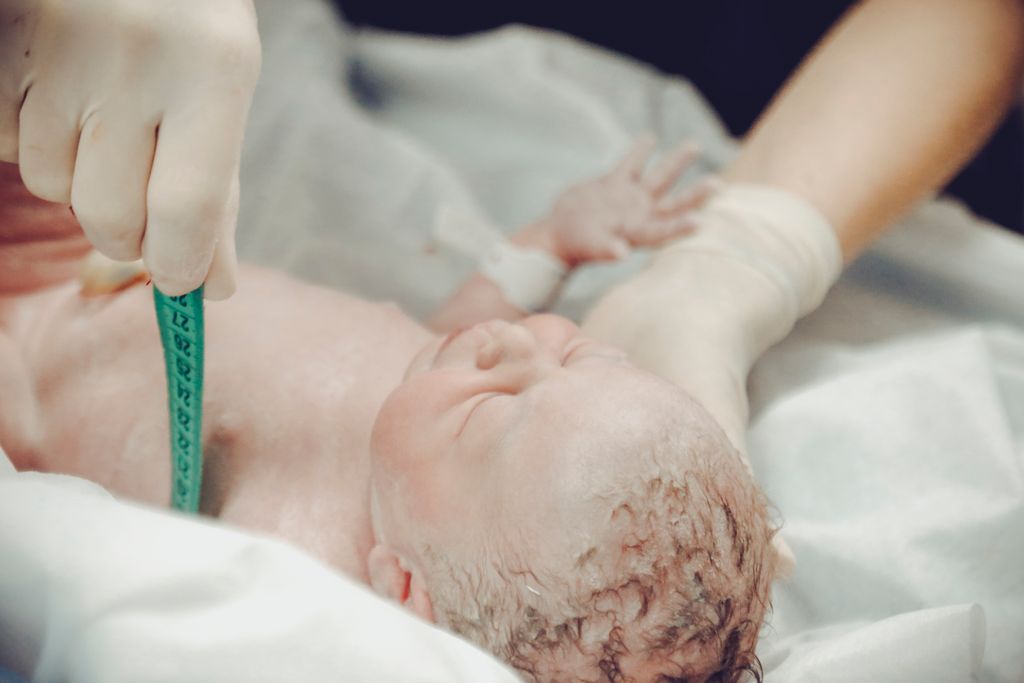
With good care, most premature babies grow up healthy, and a lot of that care is something you can give. A baby born before 37 weeks of pregnancy is premature, or preterm. India has more preterm births than any other country, about 30 lakh a year. You’re far from alone. Ahead of World Prematurity Day on 17 November, here’s a practical guide to your baby’s first year.
In the NICU or SNCU: what to expect
Many premature babies spend their first weeks in a Neonatal Intensive Care Unit (NICU), or a Special Newborn Care Unit (SNCU) in government hospitals. The incubator, oxygen, feeding tube and beeping monitors look scary, but each has a simple job: keep your baby warm, help them breathe and feed them until they can manage alone. Most beeps are routine; ask the nurse.
What you can do, even here
- Kangaroo mother care (KMC). Hold your baby skin-to-skin on your bare chest, inside your clothes. It keeps them warm, steadies breathing and helps breastfeeding. It can prevent up to half of deaths in babies under 2 kg. The WHO now advises starting as soon as possible after birth, for 8 to 24 hours a day. Fathers and grandmothers can take turns.
- Breast milk. It’s the best food for a premature baby and protects against infection. If your baby can’t suck yet, express milk by hand or pump every 2 to 3 hours, and the nurses will give it through the tube. Short on milk? Ask whether the hospital has a human milk bank.
When will my premature baby be discharged? Once they stay warm outside the incubator, feed well by mouth and gain weight steadily. Not on a fixed date or weight.
Premature baby care at home after NICU discharge
Feeding a premature baby for weight gain
- Small feeds every 2 to 3 hours, day and night. Ask your doctor whether to wake your baby for feeds.
- Hold your baby semi-upright, burp after every feed and let them pause. Preemies tire quickly.
- Some babies need fortified breast milk, or iron and vitamin D drops. Follow your discharge summary exactly.
- No water, honey, gripe water or ghutti. Breast milk, or the feed your doctor prescribed, is all your baby needs.
- Get weighed at every check-up. Steady weekly gain matters more than any single number.
Room temperature and keeping warm
- Premature babies lose heat fast. Keep the room warm, around 25 to 28°C, and away from the direct blast of a fan or AC. Dress your baby in one more layer than you’re wearing, with head and feet covered.
- Kangaroo care at home is the easiest way to keep your baby warm.
Safe sleep
Always on the back, on a firm, flat surface. No pillows (including the rai pillow), soft toys or heavy razais in the sleep space. Keep your baby in your room, but on their own sleep surface.
Preventing infection
- Everyone washes hands before touching the baby. Grandparents too.
- Keep visitors few, and anyone with a cough or cold away. The naming ceremony can be small for now.
- Keep your baby away from smoke: cigarettes, agarbatti, mosquito coils and chulha fumes.
Bath, oil massage and other traditions
Skip kajal or surma. Stick to sponge baths until your baby is gaining weight well and staying warm on their own, then keep baths short and warm. Ask the doctor before starting daily oil massage, and when you do, keep it gentle and keep oil out of the eyes, ears and nose. See which Indian grandmother newborn care traditions science backs, and which oil for baby massage to pick.
Help at your doorstep
Your ASHA worker visits newborns at home in the first six weeks, and premature or low birth weight babies get extra visits through the first year. Tell her your baby was born early.
Corrected age: tracking milestones fairly
To track a premature baby fairly, doctors use corrected age: your baby’s age since birth, minus the weeks they were born early.
Say your baby was born 8 weeks early and is now 6 months old. Their corrected age is about 4 months, so compare their smiling and rolling with a 4-month-old. Doctors use corrected age until about 2 years. Growth won’t be a straight line; steady weight gain and new skills over time are what count.
Your premature baby’s first year at a glance
| When | What to do |
|---|---|
| Before discharge | Hearing test; learn kangaroo care and feeding; collect your discharge summary and vaccination card |
| Before 30 days of life | First eye check for retinopathy of prematurity (ROP), if born at or before 34 weeks or weighing 2 kg or less. ROP can damage sight if missed, so go even if your baby seems fine |
| First 6 weeks | ASHA home visits; regular weight checks |
| All through the first year | Vaccines on the same schedule as full-term babies, by actual birth date. Don’t delay them because your baby is small |
| Around 6 months corrected age | Ask your doctor when to start solids |
| Up to 2 years | Check milestones by corrected age; go to every follow-up visit |
Take your discharge file to every visit.
Free care: Under the Janani Shishu Suraksha Karyakram (JSSK), treatment for sick babies up to one year is free in government hospitals, including medicines, tests and transport.
Danger signs: see a doctor straight away if your baby
- Isn’t feeding well, or is too sleepy to feed
- Feels cold to the touch, or has a fever
- Breathes very fast, grunts, or the chest pulls in with each breath
- Has bluish lips or tongue, or pauses in breathing
- Has a fit or is unusually floppy
- Has yellow skin that reaches the palms or soles
If something feels off, trust your gut.
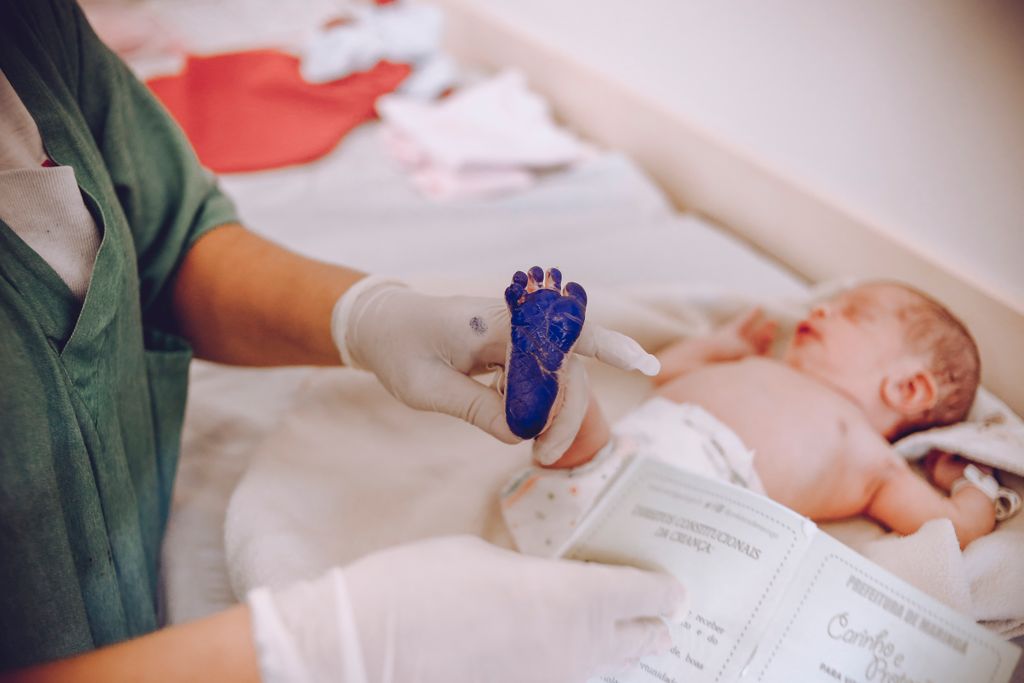
Looking after yourself, too
An early birth is a shock. Feeling guilty, scared or drained is common, and none of it is your fault. Accept help, split night feeds, and remember fathers struggle too.
If low mood or worry lasts more than two weeks, tell your doctor. Postpartum depression is treatable, and help is easier to get early.
Questions parents often ask
Will my premature baby be normal and catch up?
Most do, gradually. Babies born very early may need closer follow-up.
How can I increase my premature baby’s weight at home?
Feed often, offer breast milk first, and give any fortifier or drops exactly as prescribed. Keep your baby warm, because a cold baby burns calories just staying warm. Don’t add cereal, ghee or extra formula on your own.
Are you a NICU parent? Tell us in the comments or on Instagram @parentingquo what got you through. Another family sitting outside a NICU tonight may need to hear it.
References
- World Health Organization. WHO recommendations for care of the preterm or low-birth-weight infant. Geneva, 2022. See also the WHO news release, 15 November 2022.
- Ministry of Health & Family Welfare. Kangaroo Mother Care & Optimal Feeding of Low Birth Weight Infants: Operational Guidelines. Government of India, 2014. Listed at NNF India’s MoHFW resources.
- Shukla R, et al. Operational guidelines for ROP in India: A summary. Indian J Ophthalmol. 2020;68(Suppl 1):S108-S114. Full guidelines at drropindia.org.
- Ministry of Health & Family Welfare. Home Based Newborn Care (HBNC) and Home Based Care for Young Child (HBYC). Government of India.
- Ministry of Health & Family Welfare. Annual Report, Chapter 23: Janani Shishu Suraksha Karyakram. Government of India.
- Soans S, et al. Vaccination in preterm and low birth weight infants in India. Hum Vaccin Immunother. 2021.
- WHO, UNICEF, UNFPA and PMNCH. Born Too Soon: Decade of Action on Preterm Birth. Geneva, 2023.
This article is for general information and is not a substitute for medical advice. Always follow the guidance of your baby’s doctor and NICU team.